

Gambling addiction remains one of the fastest-growing behavioral health concerns among adults aged 18–55, with recent surveys indicating that roughly 4–6% of the adult population experiences problematic gambling patterns. Unlike casual entertainment, addiction develops gradually through a combination of neurobiological factors, environmental triggers, and personal vulnerabilities that many players don’t recognise until significant financial damage occurs.
The good news? Evidence-backed harm-reduction tools exist today. Setting betting limits before you place a single wager is genuinely your strongest protection against losing control.
Personal Financial Boundaries Work
Establishing a realistic betting budget requires honest self-assessment about what you can afford to lose without affecting rent, groceries, or savings.
Panther Bet and other responsible operators now mandate deposit limits during account setup. This forces players to confront this question upfront rather than chasing losses at 2 AM.
Research from the UK Gambling Commission (2025) shows that players who set pre-session loss limits experience 38% fewer problem-gambling indicators than those who gamble freely.
Your budget should represent money you’ve already mentally earmarked as entertainment spend–like cinema tickets or restaurant meals. If that number is zero, then gambling simply isn’t for you, and that’s a rational conclusion, not a failure.
Betting Limits and Time Restrictions Matter
Beyond deposit caps, modern platforms pack session time limits and cooldown periods that create natural stopping points.
A 2026 European Gaming Authority report identified three distinct harm-reduction mechanisms:
| Limit Type | Effectiveness Rate | Common Timeframe | Impact on Addiction Risk |
| Deposit limits | 42% | Daily/Weekly/Monthly | Prevents large single losses |
| Session time limits | 35% | Per-session cap (1–4 hours) | Reduces compulsive play |
| Loss limits | 51% | Daily/Weekly | Strongest protective factor |
| Cooling-off periods | 28% | 24–72 hour breaks | Interrupts habit loops |
Loss limits consistently outperform other tools because they directly address the core mechanism of addiction: chasing losses to recover earlier deficits.
When you’ve hit your loss limit, the platform locks you out, period. No negotiation, no “just one more bet.”
Recognition of Gambling Disorder
Addiction specialists now classify gambling disorder within the same neurobiological framework as substance abuse, involving dopamine dysregulation in the brain’s reward systems.
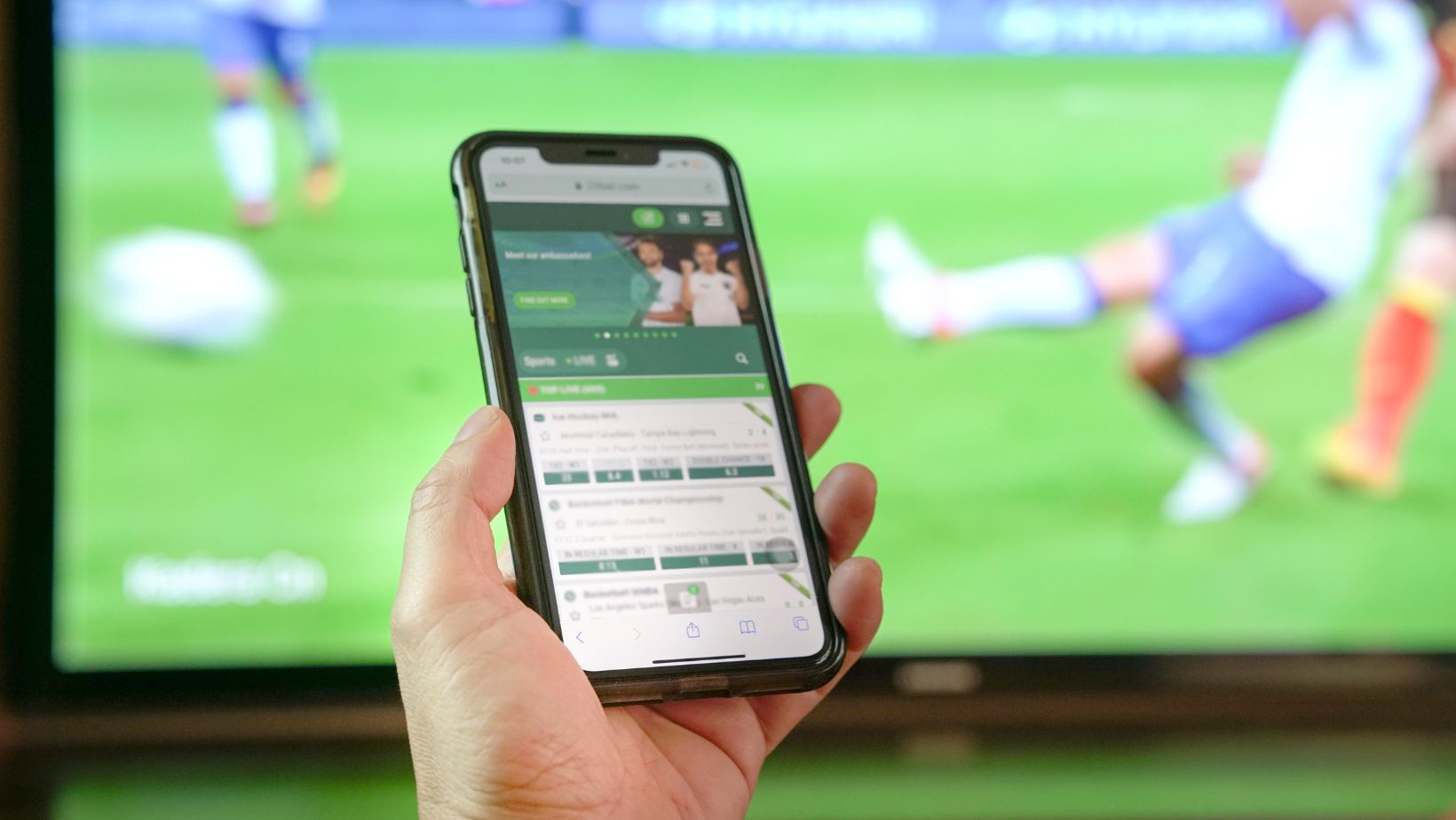
This isn’t moral weakness or character failure–it’s a medical condition requiring professional intervention. The inclusion of gambling disorder in the DSM-5 (Diagnostic and Statistical Manual of Mental Disorders) fundamentally shifted how clinicians approach treatment:
- Cognitive-behavioral therapy (CBT) addressing distorted thinking patterns around odds and control
- Motivational interviewing to strengthen intrinsic commitment to change
- Medication management for co-occurring anxiety or depression
- Family therapy rebuilding trust and communication after financial betrayal
- Peer-led recovery groups operating both in-person and online
- Financial counseling to address debt and develop repayment strategies
Real Support Exists Right Now
Helplines like the National Council on Problem Gambling handle over 45,000 calls annually. Average wait times stay under three minutes.
The International Gambling Counsellors Organisation maintains certified specialists in 18 countries. They offer confidential sessions at reduced cost or free through public health systems.
Employee Assistance Programs at major companies fire 3–6 sessions of gambling-focused counseling before referring to specialised treatment centres.
Online platforms like Gamblers Anonymous and Recovery Unplugged connect players in real-time support groups. Geography no longer blocks access to help in rural areas.
Making Betting Limits Stick
Setting a limit means nothing if you override it impulsively. Effective players combine technical restrictions (account-level tools) with behavioral anchors: scheduling gambling for specific times, using accountability partners, and tracking spending in a shared spreadsheet.
Some treat betting limits like gym memberships–non-negotiable weekly commitments that become automatic.
The reality is this: betting limits aren’t punishment or denial. They’re permission to enjoy gaming without the creeping dread of financial ruin.
Players who approach gambling with clear boundaries report higher satisfaction, fewer regrets, and genuine entertainment value that lasts beyond a single session. Your future self will thank you for the discipline you exercise today.