
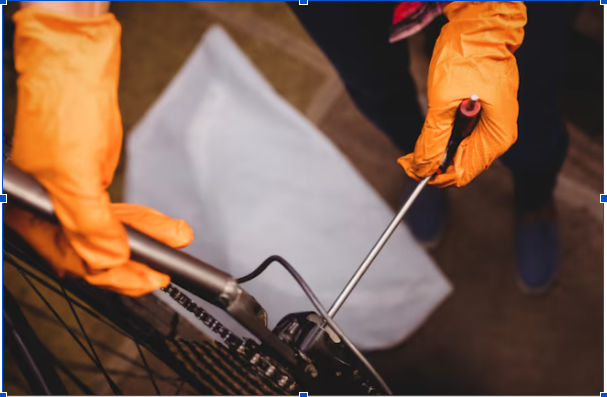
Equipment downtime remains one of the most significant challenges facing industrial operations. Whether caused by scheduled maintenance or unexpected failures, every minute that machinery is unavailable can reduce productivity, increase operating costs, and disrupt supply chains. According to research published by organizations such as the International Society of Automation (ISA), the National Institute of Standards and Technology (NIST), and manufacturing studies from leading engineering institutions, preventive maintenance and effective cleaning strategies are among the most practical ways to improve equipment reliability.
Industrial cleaning is often viewed as a maintenance task, but it plays a much broader role. Removing contaminants before they damage equipment helps maintain operational efficiency, extends service life, improves workplace safety, and reduces the frequency of repairs. Modern cleaning methods have evolved to provide highly effective results while minimizing interruptions to production schedules.
Understanding how different cleaning techniques work allows manufacturers to choose the most appropriate solution based on equipment type, contamination level, production environment, and safety requirements.
The Relationship Between Contamination and Equipment Failure
Industrial equipment operates under demanding conditions. Heat, moisture, lubricants, dust, metal particles, chemical residues, and process byproducts accumulate over time. If these contaminants are not removed regularly, they can interfere with normal machine operation.
Contamination affects machinery in several ways. Deposits can reduce heat transfer efficiency, clog ventilation systems, increase friction between moving parts, damage sensors, interfere with electrical components, and accelerate corrosion. Even small amounts of buildup may eventually contribute to mechanical failures that require costly repairs.
Routine cleaning reduces these risks by preventing contaminants from reaching levels that compromise performance. This proactive approach supports predictive and preventive maintenance strategies that many industries now prioritize.
Preventive Cleaning as Part of Maintenance Planning
Cleaning should not be treated as an isolated activity. Instead, it works best when integrated into a comprehensive maintenance program.
Maintenance schedules typically combine inspections, lubrication, calibration, component replacement, and cleaning. Together, these activities help identify early signs of wear before failures occur.
Facilities that perform regular preventive cleaning often experience several operational benefits.
Improved Equipment Reliability
Removing dirt and process residues allows moving components to operate under their intended conditions. Bearings, motors, cooling systems, hydraulic units, and electrical cabinets all perform more consistently when contaminants are minimized.
Reliable operation reduces unexpected shutdowns and improves production planning.
Longer Equipment Life
Many industrial components experience accelerated wear due to abrasive particles or chemical deposits. Cleaning removes these harmful materials before they cause permanent damage.
Extending equipment lifespan reduces capital expenditures and delays expensive replacements.
Lower Maintenance Costs
Emergency repairs are generally more expensive than planned maintenance. By reducing contamination-related failures, facilities can lower repair costs while improving maintenance efficiency.
Dry Cleaning Techniques
Dry cleaning methods have become increasingly popular because they reduce moisture exposure and often require shorter recovery times.
These techniques are especially useful for electrical systems, sensitive machinery, and equipment where water could create corrosion or contamination risks.
Compressed Air Cleaning
Compressed air removes loose dust and lightweight particles from machinery surfaces.
Although widely used, this method should be carefully controlled. Excessive air pressure may force contaminants deeper into sensitive components or create airborne particulate hazards. Proper filtration and personal protective equipment remain essential.
Vacuum Cleaning
Industrial vacuum systems remove dust, powders, and debris without dispersing contaminants into the surrounding environment.
Vacuum cleaning is particularly valuable in facilities handling fine particles, including pharmaceutical manufacturing, food processing, and electronics production.
Because contaminants are captured during removal, workplace cleanliness also improves.
Dry Ice Blasting
Dry ice blasting has gained attention as an efficient non-abrasive cleaning method for many industrial applications.
The process uses solid carbon dioxide pellets that strike contaminated surfaces and rapidly sublimate into gas. This combination of kinetic impact, thermal shock, and expansion helps loosen contaminants without generating secondary blasting media.
One advantage of dry ice blasting is that production residues can often be removed without disassembling certain equipment, reducing maintenance time in suitable applications. Since the dry ice converts directly into gas, cleanup requirements are generally lower than with many traditional blasting methods.
Wet Cleaning Methods
Some contaminants require liquid cleaning solutions to dissolve oils, grease, chemical residues, or biological materials.
Wet cleaning methods remain essential across numerous industries when properly matched to equipment materials and operating conditions.
Pressure Washing
High-pressure water cleaning removes heavy deposits from durable equipment, structural surfaces, and production areas.
Pressure washing is effective for outdoor equipment and large industrial installations, although care must be taken around electrical systems, bearings, seals, and sensitive components.
Proper drying after cleaning is equally important to prevent corrosion.
Steam Cleaning
Steam cleaning combines heat and moisture to dissolve grease while reducing the need for aggressive chemical cleaners.
Many facilities use steam to sanitize equipment while removing organic residues. This method is common in food manufacturing, beverage production, and pharmaceutical environments where hygiene standards are particularly important.
Chemical Cleaning
Certain industrial deposits require specialized chemical formulations to break down contaminants that mechanical cleaning cannot easily remove.
Chemical cleaning may target mineral scale, oxidation, polymer residues, or heavy grease accumulation.
Successful chemical cleaning depends on selecting compatible products, following manufacturer recommendations, monitoring exposure times, and ensuring complete rinsing when required.
Abrasive Cleaning Methods
Some industrial applications involve extremely stubborn deposits that cannot be removed through softer cleaning techniques.
Controlled abrasive methods provide higher cleaning power while requiring careful evaluation to avoid damaging underlying surfaces.
Media Blasting
Media blasting uses various solid particles to remove coatings, corrosion, rust, or heavy contamination.
Different media produce different surface finishes, making material selection an important part of the process.
Operators must balance cleaning effectiveness with the potential for substrate wear, especially when working with precision components.
Mechanical Brushing
Rotary brushes and manual brushing remain useful for localized cleaning, weld preparation, and rust removal.
Although relatively simple, brushing allows maintenance personnel to focus on specific areas requiring attention without exposing the entire machine to more aggressive cleaning processes.
Choosing the Right Cleaning Method
No single cleaning method is appropriate for every industrial application.
Several factors influence the best choice.
Equipment Materials
Different materials respond differently to moisture, chemicals, heat, and abrasion.
Sensitive alloys, coated surfaces, plastics, electronics, and composite materials require cleaning techniques that preserve their integrity.
Type of Contamination
Dust, grease, carbon deposits, corrosion, biological materials, adhesives, and mineral scale each require different removal strategies.
Accurately identifying the contaminant improves cleaning efficiency and reduces unnecessary maintenance time.
Production Requirements
Facilities operating around the clock often prioritize cleaning methods that minimize production interruptions.
Cleaning approaches that reduce equipment disassembly or shorten drying times may significantly improve maintenance scheduling.
Environmental Considerations
Modern industrial operations increasingly evaluate cleaning methods based on waste generation, water consumption, airborne emissions, and resource efficiency.
Selecting environmentally responsible cleaning practices supports both regulatory compliance and corporate sustainability initiatives.
Supporting Safe Cleaning Operations
Cleaning activities involve potential hazards including confined spaces, chemicals, elevated temperatures, pressurized equipment, and moving machinery.
Effective safety procedures include equipment isolation, lockout/tagout practices, ventilation, personal protective equipment, hazard communication, and operator training.
Maintenance personnel should also understand the specific risks associated with each cleaning method before beginning work.
Safety planning not only protects employees but also reduces the likelihood of equipment damage during maintenance activities.
The Importance of High-Quality Process Materials
Cleaning performance depends not only on equipment and procedures but also on the quality of materials used during maintenance.
For operations that rely on compressed gases, selecting an appropriate industrial gas supplier helps ensure consistent gas quality, reliable delivery, and compliance with applicable industrial standards. Stable process inputs contribute to repeatable maintenance outcomes and support overall operational reliability.
Similarly, maintaining proper storage conditions for cleaning materials, filters, lubricants, and replacement components helps preserve their effectiveness throughout maintenance cycles.
Future Trends in Industrial Cleaning
Industrial cleaning continues to evolve alongside advances in manufacturing technology.
Automation is becoming increasingly common, with robotic cleaning systems performing repetitive maintenance tasks in hazardous or difficult-to-access environments. Sensors and predictive maintenance software are also helping maintenance teams determine the optimal timing for cleaning based on equipment condition rather than fixed schedules.
Digital monitoring technologies allow operators to identify contamination before it causes significant performance degradation. This condition-based approach reduces unnecessary maintenance while preventing unexpected failures.
Researchers are also exploring cleaning methods that consume fewer resources, generate less waste, and improve energy efficiency without sacrificing effectiveness. As sustainability becomes a greater priority across manufacturing sectors, environmentally responsible cleaning practices are expected to play an even larger role.
Conclusion
Industrial cleaning is far more than a housekeeping activity. It is an essential component of equipment reliability, preventive maintenance, and operational efficiency. By selecting cleaning methods that match the equipment, contamination type, and production requirements, manufacturers can significantly reduce unplanned downtime while extending machinery lifespan.
Whether using dry cleaning, wet cleaning, abrasive techniques, or emerging automated solutions, successful maintenance depends on careful planning, proper safety procedures, and regular inspection. As industrial technology continues to advance, effective cleaning strategies will remain a fundamental part of maximizing productivity, controlling maintenance costs, and ensuring long-term operational performance.